
Internal Woodwork Painting in Luton A Fresh Finish for the Details That Matter
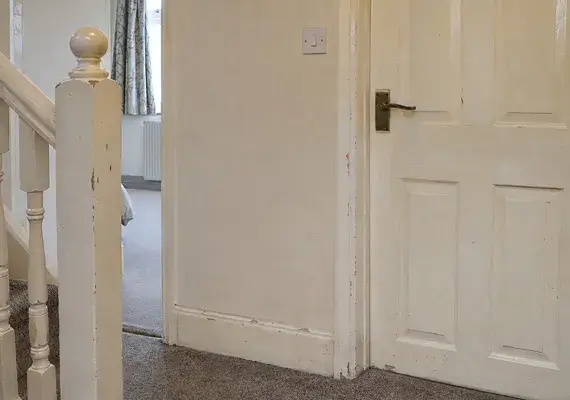
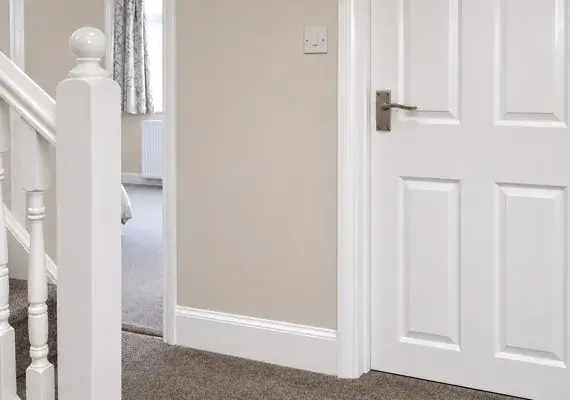
When you redecorate a room, it's often the woodwork that shows its age first. Skirting boards get knocked by the vacuum cleaner, door frames collect chips and handrails become worn where people touch them every day. Even freshly painted walls can look unfinished beside tired, yellowing trim.
At Manny's Perfect Painting, we paint and refresh internal woodwork in homes across Luton. Whether you want to brighten up existing white paintwork, change to a modern colour or repair visible marks before decorating, we pay attention to both the preparation and the final finish.
What Can We Paint?
- Timber and MDF skirting boards
- Door frames, architraves and suitable internal doors
- Staircase strings, spindles, newel posts and handrails
- Window boards and other suitable internal trims
- Previously painted woodwork needing a fresh coat
- Woodwork with scratches, dents, chips and small fixing holes
We don't assume a quick coat of paint will solve every problem. We check the condition of the existing surface, prepare it properly and choose suitable products for the material and the finish you're after.
Skirting Board Painting Including MDF Skirting Boards
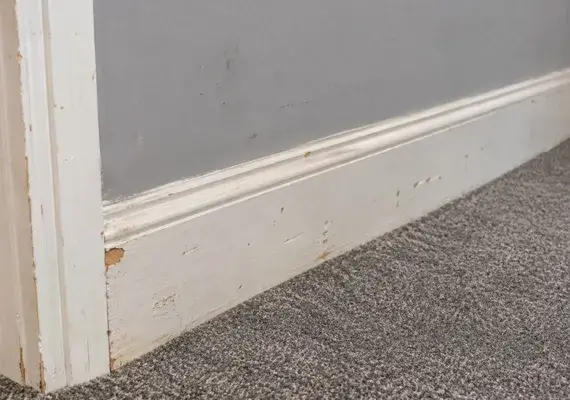
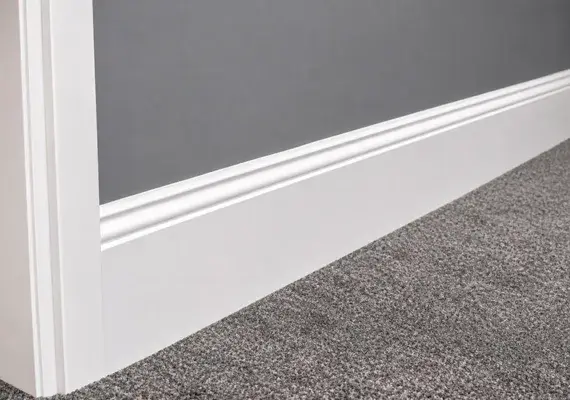
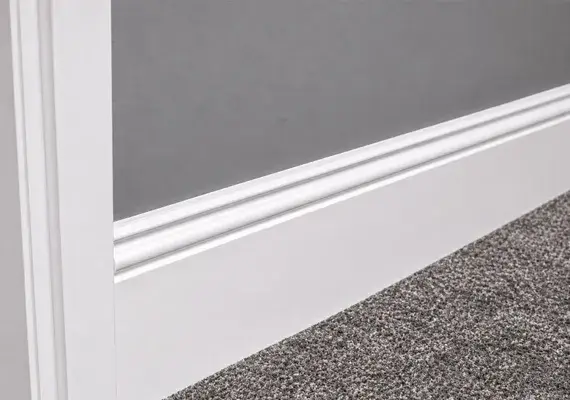
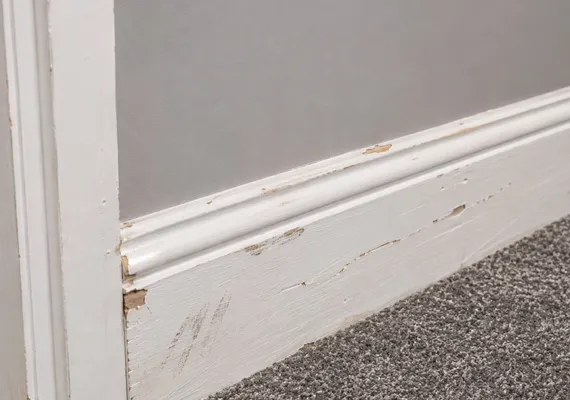
Skirting boards take a surprising amount of wear. Shoes, furniture, cleaning equipment and everyday knocks can leave the edges dented and the paint scratched. Over time, old white paint may also become discoloured, especially next to newly decorated walls.
We paint both traditional timber skirting and MDF skirting boards. MDF is absolutely suitable for painting when it's sound, dry and correctly prepared. The main difference is that raw MDF, especially its cut edges, can absorb coatings differently from the smooth factory face.
How We Prepare Skirting Boards
- Protect the flooring and adjoining wall surfaces
- Clean away dirt and grease where needed
- Remove loose paint and smooth rough edges
- Fill suitable chips, pinholes and small dents
- Sand repaired areas and deal with visible imperfections
- Prime exposed timber or MDF where required
- Apply suitable undercoat and finish coats as needed
On new MDF skirting, sealing and priming exposed edges is particularly important for a neat finish. If MDF has swollen because of moisture, however, paint and filler may not provide a lasting repair. We'll point out when replacement is the more sensible option.
You can keep classic white skirting or choose something different. Soft greys, warm off-whites and darker colours can all work well, particularly when coordinated with your doors and architraves.
Door Frame Painting in Luton Smoother Edges and Cleaner Lines
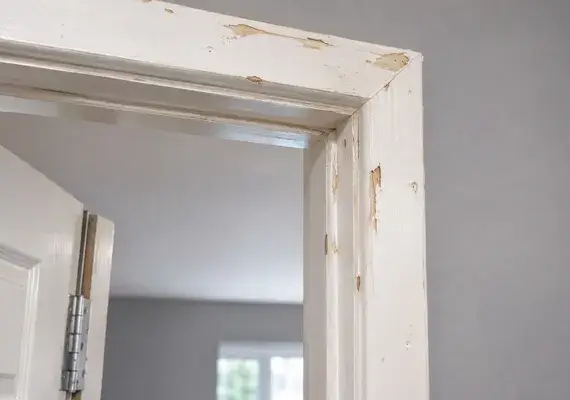
Internal door frames are touched, bumped and knocked every day. Paint often chips around the corners and latch side, while scratches and uneven old brush marks become more noticeable as the years go by.
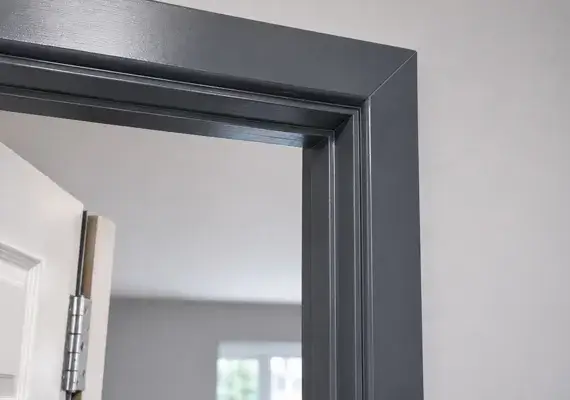
Repainting frames and architraves can make a real difference to the hallway, landing and rooms they connect. The aim isn't just to cover old marks with a new colour: it's to leave the details looking neat when you're standing close to them.
What We Look at Before Painting
- Loose, flaking or excessively thick old paint
- Chipped corners and scratches near handles and hinges
- Small dents and fixing holes suitable for filling
- Gaps at the edge of the architrave that may need caulking
- Existing glossy finishes that need proper preparation
- Doors that could stick if excessive paint builds up
Once the surface has been assessed, we carefully prepare and sand suitable areas, fill minor defects and use the appropriate primer or undercoat before the final finish. We also take care around hinges, latches and adjoining wall surfaces.
Thinking about a darker colour? Charcoal, muted grey, deep blue and other modern shades can look particularly effective on door frames. We can discuss whether you want the frames to match the doors, skirting boards or another feature in the room.
Where a door is fire-rated, its seals, labels and approved hardware should not be painted over or altered. Any coating requirements should be checked before decorating.
Staircase Woodwork Painting Spindles, Posts and Handrails
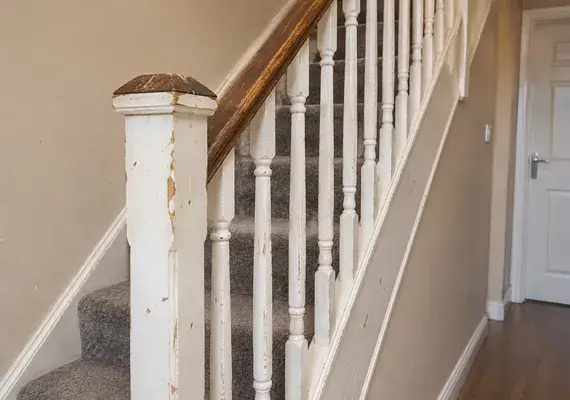
A staircase is often one of the first things people see when they enter a home. It also has plenty of awkward surfaces: narrow spindles, detailed edges, handrails, newel posts and the strings running alongside the stairs.
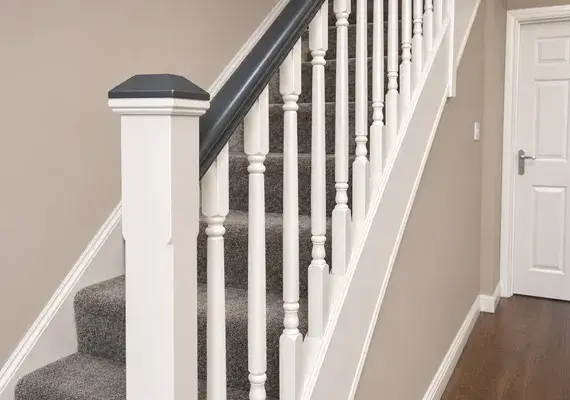
These parts can be time-consuming to prepare and paint properly, but the improvement can be worth it. A consistent finish helps bring together the stairs, hallway and landing, especially if the surrounding walls have already been redecorated.
Staircase Parts We Can Refresh
- Previously painted timber spindles and balustrades
- Newel posts and staircase strings
- Suitable handrails and banisters
- Painted trims around stairs and landings
- Minor chips and dents in suitable timber components
Handrails deserve particular care because they are touched constantly. The coating needs to be appropriate for frequent handling, and existing glossy or varnished surfaces may need additional preparation to ensure the new finish adheres properly.
If the wood is bare or varnished, we assess the surface before recommending a painted finish. We can also discuss keeping some timber elements natural and painting others for contrast.
Staircases need to remain safe during decorating. We'll discuss access, drying times and which parts can be used while work is underway. Loose or structurally damaged components need proper repair rather than simply being filled and painted over.
Scratches, Chips and Dents Filled and Smoothed Before Painting
A fresh coat of paint can improve the colour of tired woodwork, but it won't magically hide deep scratches, chipped edges or dents. In fact, an even new finish can make poorly repaired areas more obvious when the light catches them.
Where the surface is sound and the damage is suitable for cosmetic repair, we can fill and smooth small imperfections before painting. That might mean repairing vacuum-cleaner knocks along skirting, small chips on a door frame or fixing holes left by old fittings.
Our Typical Repair and Painting Process
- Inspect the surface and identify loose or damaged material
- Clean and prepare the affected area
- Remove loose paint and feather rough edges
- Use a suitable filler for cosmetic chips and dents
- Allow repairs to cure and sand them smooth
- Prime repaired or exposed areas as needed
- Apply suitable finishing coats for an even appearance
Some repairs require more than one application of filler to rebuild an edge neatly. The correct approach depends on the material, how deep the damage is and whether the area receives regular knocks.
When is filling not enough? Rotten timber, badly swollen MDF, loose joints and structural problems may need replacement or specialist repair. We'd rather explain that before painting than leave you with a short-lived result.
If you're considering replacing all your skirting boards or frames because they look rough, it's worth having them assessed first. Suitable cosmetic damage can often be put right as part of a repaint.
Satin, Eggshell or Gloss? Choosing a Finish for Interior Woodwork
One of the most common questions is which finish to choose. There's no single answer for every home: it depends on how you want the woodwork to look, the condition of the existing surface and how much wear the area gets.
Satin
Satin has a gentle sheen without being highly reflective. It's a popular contemporary choice for skirting boards, doors and frames, particularly when you want a clean finish that doesn't look overly glossy.
Eggshell
Eggshell generally gives a lower-sheen finish. It can suit period properties as well as modern interiors where a softer appearance is preferred. The exact sheen and durability vary between products.
Gloss
Gloss gives a more reflective, traditional painted-woodwork appearance. Because it catches the light, careful preparation is especially important: scratches and uneven areas can show more clearly beneath a shiny finish.
Modern water-based and other suitable trim paints offer different drying times, odour levels and performance characteristics. We can discuss the practical differences and select a suitable system for your existing woodwork, rather than choosing on colour alone.
Internal Woodwork Painting in Luton Frequently Asked Questions
Can you paint MDF skirting boards?
Yes. Sound, dry MDF skirting boards can be painted, including new primed MDF and suitable previously painted MDF. Raw or cut edges may need sealing and priming so they don't absorb the paint unevenly. If MDF has swollen due to water damage, replacement may be better than trying to fill and repaint it.
Can scratches and dents in skirting boards be filled before painting?
Usually, yes, provided the damage is cosmetic and the skirting is sound. We can prepare the affected areas, use suitable filler and sand the repairs smooth before priming and painting. Deep damage, rotten timber or badly swollen MDF may need a different solution.
Do I need to replace old skirting boards before redecorating?
Not necessarily. If the skirting boards are secure and in reasonable condition, repairing minor marks and repainting them may be a practical alternative to replacement. We can assess chipped edges, existing paint and any signs of moisture damage before advising.
Can you paint over old gloss paint?
Often, yes, but existing glossy paint needs the right preparation and compatible products. Cleaning, sanding or other suitable surface preparation and an appropriate primer may be required. Painting straight over a shiny or contaminated surface can lead to poor adhesion.
Can you change white door frames to grey or another colour?
Yes. We can discuss changing the colour of suitable door frames, architraves and skirting boards. Muted greys, off-whites and darker shades can all create a more modern look. The preparation and number of coats depend on the old colour, surface condition and chosen product.
Do you paint staircase spindles and banisters?
Yes, we can discuss painting suitable staircase spindles, newel posts, strings and handrails. These areas involve detailed preparation, particularly around curved or narrow sections. We will also discuss drying times and keeping the staircase safe during the work.
What's the best paint finish for skirting boards and doors?
Satin is a popular modern choice, while eggshell gives a softer low-sheen appearance and gloss is more reflective. Durability and exact sheen differ by product, so we can help you choose a finish suited to the material, room and amount of everyday wear.
Will you protect my flooring and carpets while painting?
Yes. Protecting adjacent surfaces is part of preparing the job. We can discuss access around furniture, suitable floor protection and any items that need moving before work starts. Particular care is taken where skirting boards meet carpet, hard flooring and freshly decorated walls.
How long does painted woodwork take to dry?
Drying and curing times vary by paint, temperature, ventilation and the surface being coated. A finish may feel touch-dry before it's ready for regular handling or cleaning. We'll explain any access restrictions and practical aftercare for the products used.
Can you repair chipped door frames without replacing them?
Many small chips and dents can be repaired cosmetically with suitable preparation and filling before repainting. Where the frame is loose, rotten or badly damaged, filling alone may not be appropriate. We can examine the condition and discuss what makes sense.
Can you paint skirting boards without repainting the whole room?
Yes, internal woodwork can be refreshed as a separate decorating job. We take care around existing wall finishes and flooring, although the suitability of any local repairs or colour changes will depend on the condition of the surrounding surfaces.
Which areas around Luton do you cover?
We provide painting and decorating services in Luton and can discuss nearby jobs in Dunstable, Houghton Regis, Harpenden and surrounding Bedfordshire areas. Contact us with your location and the woodwork you'd like painted.
Need Internal Woodwork Painting in Luton? Let's Make the Details Look Right
Whether you're updating a hallway, repainting a staircase, refreshing MDF skirting boards or sorting out chipped door frames, Manny's Perfect Painting can discuss the work and the finish you're looking for.
Let us know which rooms are involved, whether the woodwork is timber or MDF, and whether you're dealing with old paint, dents, scratches or a colour change. Photographs can also help us understand the condition before arranging the next step.
We'll focus on sensible preparation, carefully finished edges and a result that works with the rest of your home, without suggesting replacement where a suitable repair and repaint may be enough.