
Shop Front Painting in Luton Refresh Your Business Without Unnecessary Replacement
A shop front is often the first thing people notice about a business. Flaking paint, worn frames and a tired entrance can make a perfectly good shop, salon or office look less inviting than it really is.
At Manny’s Perfect Painting, we help businesses in Luton improve suitable existing shop fronts through careful preparation and repainting. That might mean refreshing a familiar colour, giving a new business its own look or tidying up worn paintwork around the entrance.
We also appreciate that you may need to stay open. We can discuss deliveries, busy trading hours, customer access and drying times before deciding how best to organise the work.
Shop Front Painting We Can Discuss
- Painted timber frontages, doors, fascias and decorative trim
- Suitable metal shop front details and security shutters
- Certain aluminium and previously coated surfaces, after assessment
- Window surrounds, painted panels and compatible masonry
- Colour changes, worn edges and appropriate cosmetic repairs
- Work scheduled with customer entrances and business operations in mind
Worth knowing: a fresh coat of paint cannot repair rotten timber, serious corrosion, failed seals or loose panels. We would rather identify those issues first than hide them beneath a finish that will not last.
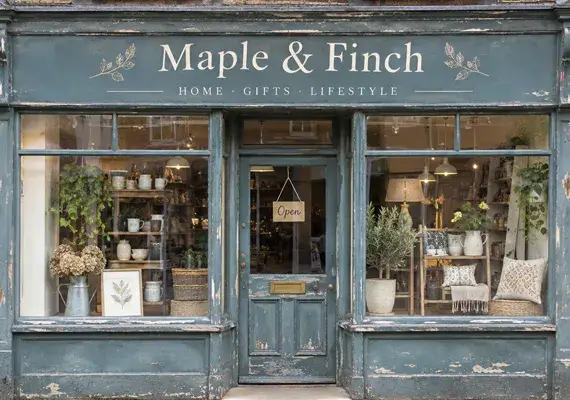
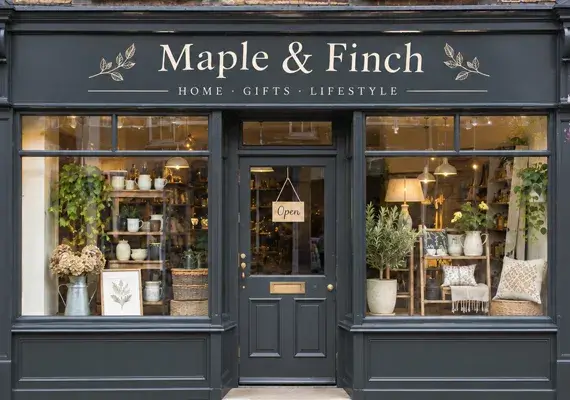


Timber Shop Fronts and Entrance Doors From Weathered Paint to a Clean, Considered Finish
Timber shop fronts can have real character, particularly around older high-street premises. But corners, joints, door edges and horizontal sections tend to suffer from years of rain, sunlight and daily use.
Painting over cracked or peeling coatings without investigating the timber beneath them is rarely a good investment. The condition of the wood, old paint layers and any signs of moisture need attention before a finishing colour is chosen.
Small scratches and suitable surface imperfections may be repairable. Soft wood, open joints and substantial decay can require joinery work first.
Typical Preparation for Timber
- Protecting glazing, signs, door furniture and nearby surfaces
- Removing loose paint and cleaning contaminated areas
- Sanding sound edges and addressing suitable surface defects
- Checking vulnerable joints, sills and end grain for moisture damage
- Priming exposed timber or repairs using compatible products
- Applying a coating suitable for external timber and its exposure
A practical detail: shop doors are opened repeatedly throughout the day. Painted edges and contact points need sufficient curing time to reduce the chance of sticking or early wear.
Older paintwork may contain lead. Where this is suspected, preparation should use an appropriate safe method rather than uncontrolled dry sanding.
Metal, Aluminium and Security Shutters Know What You Are Painting Before You Start
Shop fronts are often made from aluminium, steel or a mixture of materials. Some have factory-applied coatings, while older metalwork may have layers of paint or areas of corrosion.
It is important to establish what the surface is and whether a compatible coating system is available. Standard masonry or wood paint is not a substitute for preparation and primers suited to metal.
Security shutters also need care. A finish must not interfere with tracks, locks, moving parts or the way the shutter rolls or folds.
Points We Check Before Painting
- The type of metal and condition of any factory finish
- Existing corrosion, coating failure or trapped moisture
- Cleaning, abrasion and primer requirements
- Protection of glazing, locks, seals and mechanisms
- Whether the selected colour and finish suit the substrate
- Access and safe working arrangements around the frontage
Why the assessment matters: some powder-coated or otherwise treated aluminium surfaces can be difficult to overpaint reliably. If the surface is unsuitable, we will explain that instead of promising a result that may peel.




Shop Front Details and Colour Choices Doors, Fascias, Frames and Neat Edges
You do not always need to change the whole frontage to improve its appearance. Repainting the door, fascia or window surrounds can tie together an otherwise mismatched shop front.
Colour should suit the business and its existing signs. Deep greens, charcoal shades, navy and quieter neutrals can all work, but the best choice depends on neighbouring buildings, natural light and how the shop looks when open.
Finish is important too. Gloss can highlight uneven surfaces, whereas a lower-sheen option may give a softer look. The available finishes will depend on the material and suitable paint system.
Small Details That Make a Difference
- Clean lines around glass, signs and adjacent masonry
- Consistent colour across compatible doors, frames and panels
- Care around handles, hinges, seals and opening edges
- Considering signage before choosing a background colour
- Testing a colour in daylight and shade where practical
- Leaving vents, drainage openings and working parts clear
Before changing colour: check the terms of your commercial lease. Landlord approval, listed-building controls, conservation-area rules or signage permissions may affect what you can alter.
Planning Shop Front Painting Less Disruption, Fewer Surprises
For most businesses, access is just as important as appearance. It helps to tell us your trading hours, delivery times, whether the entrance is shared and if there are any particularly busy periods. We can then discuss a sensible sequence for the work, including when doors or freshly painted areas might be temporarily out of use.
A Quick Checklist for Business Owners
- Take a photograph of the complete frontage and close-ups of any damage.
- Check your lease and obtain landlord consent if required.
- Check with Luton Borough Council if planning, listed-building or signage controls may apply.
- Tell us about opening hours, deliveries and essential customer access.
- Allow for weather, surface preparation and the coating's drying and curing times.
- Raise any concerns about rotting timber, leaks, rust or damaged panels before decorating.
One money-saving point: repainting may be more economical than replacement where the underlying shop front is sound. If the structure is failing, though, repairing or replacing it could represent better value than repeatedly repainting.
Keeping Your Shop Front Looking Good Simple Maintenance That Can Help
Even well-prepared paintwork needs some care. Regularly cleaning off dirt with a method suitable for the coating, keeping drainage clear and dealing promptly with chips can help prevent avoidable damage.
Pay particular attention to door edges, lower timber sections, sills and other places exposed to standing water or frequent contact. If paint begins to lift or staining appears, it is worth checking for an underlying moisture problem rather than repeatedly touching up the same spot.
There is no fixed number of years that a shop front finish will last. The surface condition, preparation, coating system, weather exposure and day-to-day use all affect maintenance needs.
Shop Front Painting in Luton Frequently Asked Questions
Can you paint a shop front while my business is open?
Sometimes, yes. We can discuss carrying out suitable stages around quieter periods, but entrances, wet paint, overhead work and safe customer access may require temporary restrictions. The practical arrangements depend on the premises.
Can an aluminium shop front be repainted?
Some aluminium and previously powder-coated surfaces can be repainted with suitable preparation and compatible specialist coatings. Not every existing finish is suitable, so the surface needs checking before any work is agreed.
Do you paint security shutters?
Suitable shutters may be paintable, subject to their material and condition. Tracks, locks and moving parts must stay clear, and the coating must be compatible with how the shutter operates.
Can you change the colour of my shop front?
Often, provided the existing surfaces are suitable and any required permissions are in place. We can discuss the look you want, how it works with your signage and the appropriate paint finish.
Do I need my landlord’s permission?
If you lease the premises, you may need written permission to alter the exterior. It is worth checking your lease before agreeing a colour change or other work.
Will I need planning permission to repaint a shop front?
Not necessarily. However, listed buildings, conservation areas, signage alterations or changes that materially affect the frontage may be subject to controls. Check with Luton Borough Council when in doubt.
How long does shop front painting take?
That depends on the size, material, repairs needed, access, weather and drying times. A small sound frontage can be very different from a large shop with extensive damaged coatings. We can discuss likely stages after assessing it.
Is painting cheaper than replacing a shop front?
It often can be when the existing frontage is sound and the aim is to improve its appearance. If there is significant decay, corrosion or structural damage, repairs or replacement may offer better value.
What paint finish is best: gloss or satin?
There is no universal answer. Satin can give a softer appearance and gloss is more reflective, but suitability depends on the substrate, existing finish and exterior exposure. We would choose a compatible system first.
Can you work outside normal trading hours?
We can discuss scheduling around your business and any availability or site restrictions. The work, lighting, noise considerations and coating conditions all influence what is practical.
Will rain or cold weather delay the work?
Possibly. Exterior coatings have temperature and moisture requirements. Rain, condensation, cold surfaces and insufficient drying time can affect results, so the work may need to be planned around suitable conditions.
Which areas do you cover?
We can discuss suitable commercial painting projects in Luton and surrounding locations such as Dunstable, Houghton Regis, Harpenden and nearby parts of Bedfordshire.
Let's Talk About Your Shop Front A Practical Plan for Your Premises
Whether you're taking over a new unit, refreshing an established shop or making a salon, café or office entrance look more welcoming, Manny's Perfect Painting can help you explore your options.
Tell us where the premises are, which parts need repainting, your preferred colour and any access or opening-hour constraints. We'll discuss preparation, suitability and what the work could involve.