
Professional Wallpapering in Luton
Wallpaper can completely change how a room feels. It can bring warmth to a bedroom, add character to a living room or turn a plain wall into something special. But even the most beautiful wallpaper can look disappointing if the seams, corners or patterns aren't right.
At Mannys Perfect Painting, we provide professional wallpaper hanging in Luton, taking care of the preparation, measuring, cutting and fitting needed for a neat finish. Whether you have chosen a subtle textured paper, a bold feature wall or a detailed pattern for an entire room, we take the time to get the important details right.
We're happy to work with wallpaper you have already purchased or discuss the practical considerations before you order. Some coverings are more demanding than others, and it's always worth checking that your chosen paper is suitable for the wall and room.
What can we help you with?
- Feature walls and complete room wallpapering
- Traditional paste-the-paper and modern paste-the-wall coverings
- Patterned, textured, vinyl and non-woven wallpaper
- Lining paper and wall preparation before decorating
- Careful trimming around corners, sockets and woodwork
From a single statement wall to wallpapering several rooms, we'll explain the work involved and give you a clear quotation before starting.
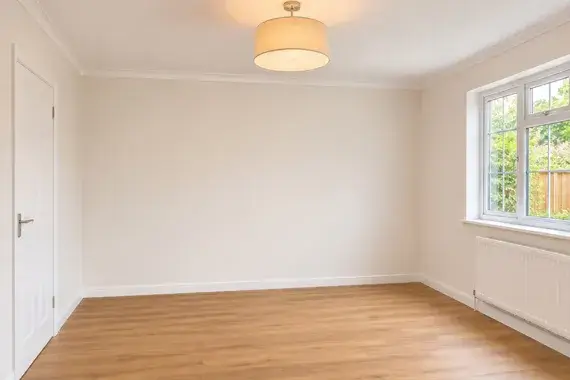
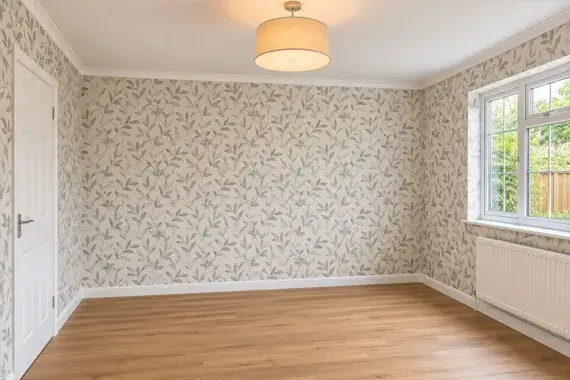
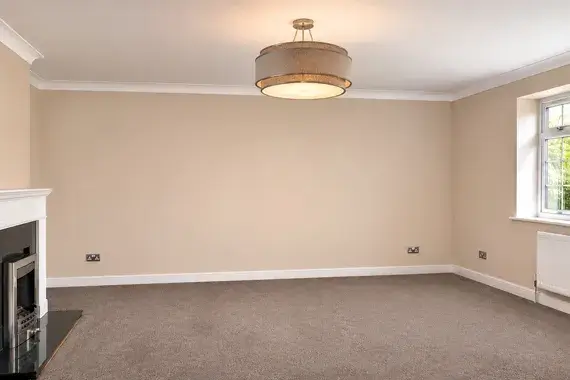
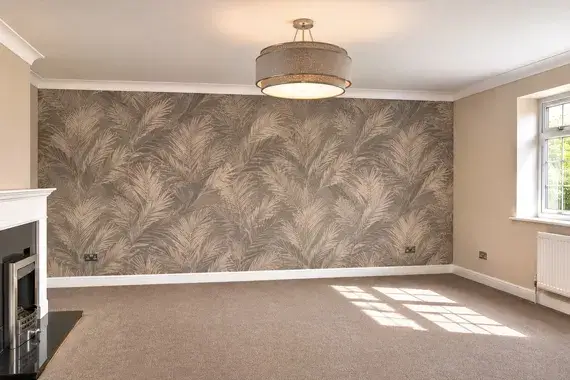
Feature Walls & Decorative Wallpaper
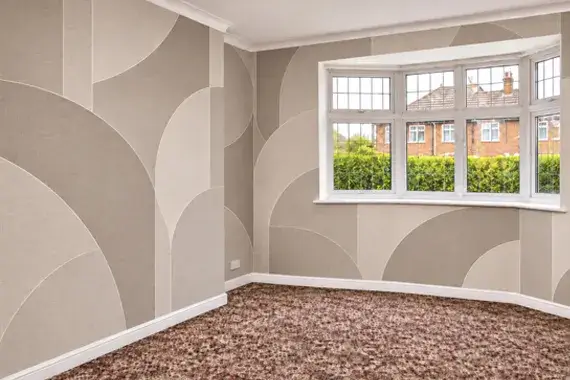
You don't need to wallpaper every wall to make a noticeable difference. A feature wall behind a bed, sofa or dining table can give a room a completely different character while keeping the rest of the space simple.
Feature walls are particularly effective with bold patterns, botanical designs, geometric prints, textured finishes and large decorative murals. Choosing the right wall is important, but so is planning where the pattern begins and how it finishes at the edges.
A feature wall that looks properly planned
- Discussing the best wall for your chosen design
- Planning the position of the pattern before hanging
- Keeping prominent design elements visually balanced
- Matching adjoining lengths of patterned wallpaper
- Achieving neat edges along ceilings, skirting boards and corners
With large prints and murals, even a small error in positioning can become noticeable. We check the manufacturer's hanging instructions, assess the wall and plan the layout before starting.
If your wallpaper has a central design or focal point, tell us where furniture will be placed. That can influence how the finished wall should be arranged.
Wall Preparation & Old Wallpaper Removal
One of the biggest differences between a tidy wallpapering job and a disappointing one is what happens before the first length of wallpaper goes up.
Wallpaper doesn't automatically hide every problem beneath it. Loose paint, raised filler, bumps, cracks and old adhesive can show through the finished covering or affect how well it sticks. Thin and smooth wallpaper is particularly unforgiving.
We inspect the walls before hanging and explain any preparation that may be necessary. That might be straightforward filling and sanding, or it could involve removing old paper and dealing with more widespread surface problems.
Preparing your walls properly
- Removing existing wallpaper where required
- Cleaning away suitable residues and old adhesive
- Filling small holes, cracks and surface imperfections
- Sanding repairs to achieve a smoother surface
- Checking absorbency and applying suitable preparation products
- Using lining paper where appropriate to improve the surface
Older properties can have uneven plaster or layers of previous decoration. We'll assess the condition rather than assuming that every wall needs the same treatment.
If we find signs of dampness, loose plaster or another underlying problem, we'll explain why that needs addressing before wallpaper is fitted. Covering an unstable or damp surface with new wallpaper is unlikely to produce a lasting result.
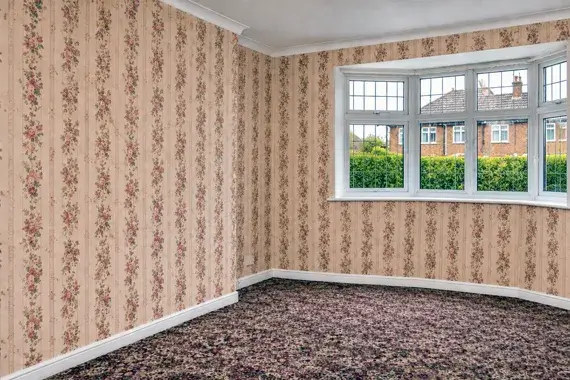
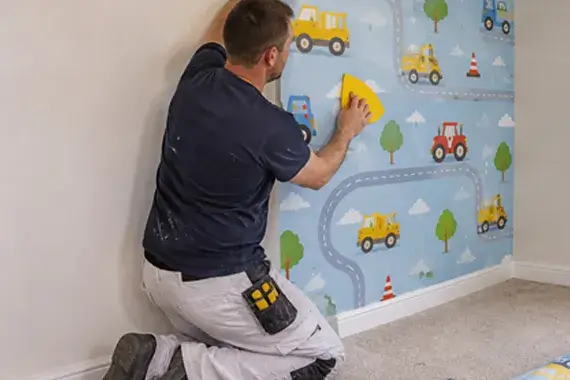
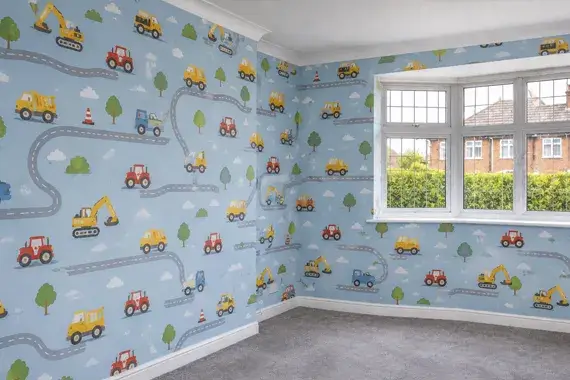
How We Hang Your Wallpaper
Good wallpaper hanging starts well before the paste comes out. Different wallpapers have different hanging requirements, and the layout of the room affects how we approach the job.
Our process is designed to produce straight, well-matched lengths, tidy joins and clean edges. We also want you to know what is happening and how long the work is likely to take.
Our typical wallpapering process
- Checking the wallpaper: We review the manufacturer's instructions, roll labels, batch numbers and pattern repeat.
- Preparing the room: We protect floors and furniture as appropriate and arrange access to the walls.
- Preparing the surface: Loose materials, minor imperfections and unsuitable previous finishes are addressed.
- Planning the layout: We measure the walls, establish straight reference lines and work out where patterns and joins should fall.
- Applying the adhesive: We use the method specified for the wallpaper, whether pasting the wall or pasting the paper.
- Hanging and matching: Each length is positioned, smoothed and carefully matched to the neighbouring section.
- Trimming and checking: We finish the edges, inspect seams, remove suitable adhesive residue and check the overall result.
For paste-the-wall wallpaper, the adhesive is normally applied directly to the prepared wall. Traditional paste-the-paper wallpaper is treated according to its instructions, including any required soaking time.
We take extra care around windows, internal corners, radiators, sockets and other details. Where electrical fittings need attention, we use appropriate precautions rather than working unsafely around live components.
Wallpapering in Luton FAQs
Whether you're planning a single feature wall or redecorating an entire room, here are some useful answers about wallpaper choice, preparation and what to expect.
Do you hang wallpaper that I've already bought?
Yes, we're happy to discuss hanging wallpaper you've already purchased. Before starting, we'll check the type of covering, the manufacturer's instructions and whether you have enough rolls. If possible, keep the labels and packaging, as these contain useful information about pattern matching, batch numbers and adhesive requirements.
How many rolls of wallpaper will I need?
The quantity depends on the height and width of the walls, the dimensions of the rolls and the wallpaper's pattern repeat. A large pattern can create more waste because adjoining lengths must line up correctly. Doors, windows and awkward shapes also affect the calculation. We recommend checking quantities before ordering and allowing for cutting and matching rather than relying on wall area alone.
What's the difference between paste-the-wall and paste-the-paper wallpaper?
Paste-the-wall wallpaper is generally designed for adhesive to be applied directly to the prepared wall, with the covering hung onto it. Traditional paste-the-paper coverings require adhesive to be applied to the back of the paper and may need time to absorb it before hanging. Neither method should be assumed from appearance alone. We follow the instructions supplied for the particular wallpaper.
Do I need to remove my old wallpaper first?
In most cases, removing the old covering gives a better opportunity to assess and prepare the wall properly. Wallpapering over existing paper can lead to problems if the old adhesive softens, seams lift or imperfections show through. We'll check the existing surface and advise whether stripping is needed before the new wallpaper is fitted.
Can you wallpaper over uneven or cracked walls?
Some small imperfections can be filled, sanded or reduced with suitable preparation and lining paper. However, wallpaper won't reliably conceal every bump, crack or uneven area. The smoother and more stable the surface, the better the finished result is likely to be. Significant plaster damage may require additional repairs before wallpapering.
Can you hang patterned wallpaper without visible mismatches?
Matching patterns is a key part of professional wallpaper hanging. We check the repeat, plan where the design begins and carefully align neighbouring lengths. Some patterns require additional wallpaper to accommodate the match. Wallpaper can also have manufacturing variations, so we'll check the rolls and explain any issues that could affect the finished appearance.
Do you wallpaper around sockets, radiators and awkward corners?
Yes. Most rooms contain features that need careful measuring and cutting, including window reveals, internal corners, skirting boards, sockets, switches and pipework. We plan how the wallpaper will meet these areas and work carefully to achieve neat edges. Electrical fittings must be handled safely, and any required electrical alterations should be carried out by a suitably qualified person.
Can wallpaper be fitted in kitchens and bathrooms?
Sometimes, but the covering must be suitable for the conditions. Moisture, steam, condensation, splashes and frequent cleaning can shorten the life of unsuitable wallpaper. We recommend checking the manufacturer's guidance and avoiding areas of direct water exposure unless the product and installation system are specifically designed for it. Any existing damp problem should be resolved first.
How long does it take to wallpaper a room?
Timescales vary depending on the room size, wall condition, wallpaper type and complexity of the pattern. A straightforward feature wall generally involves less work than a complete room with multiple windows, doors and awkward corners. Stripping old paper, filling, sanding and allowing preparation products to dry can also add time. We'll discuss the expected schedule when preparing your quotation.
How soon can furniture go back against freshly wallpapered walls?
Wallpaper and adhesive need suitable conditions and time to dry. It's best to avoid pushing furniture tightly against a newly papered wall until the covering has dried sufficiently, and to avoid rubbing or cleaning the surface too soon. Drying time depends on the product, temperature, ventilation and wall conditions. We'll give you appropriate aftercare advice when the work is complete.
Do you provide wallpaper hanging throughout Luton?
We provide wallpapering quotations for homes in Luton. If you're planning to decorate a room, get in touch with your location, the number of walls involved and the wallpaper you've chosen. Photographs of the room and existing walls can also help us understand the project before discussing the next steps.